Luxury Highrises
New construction or resale: how do luxury high-rises in Naples compare?
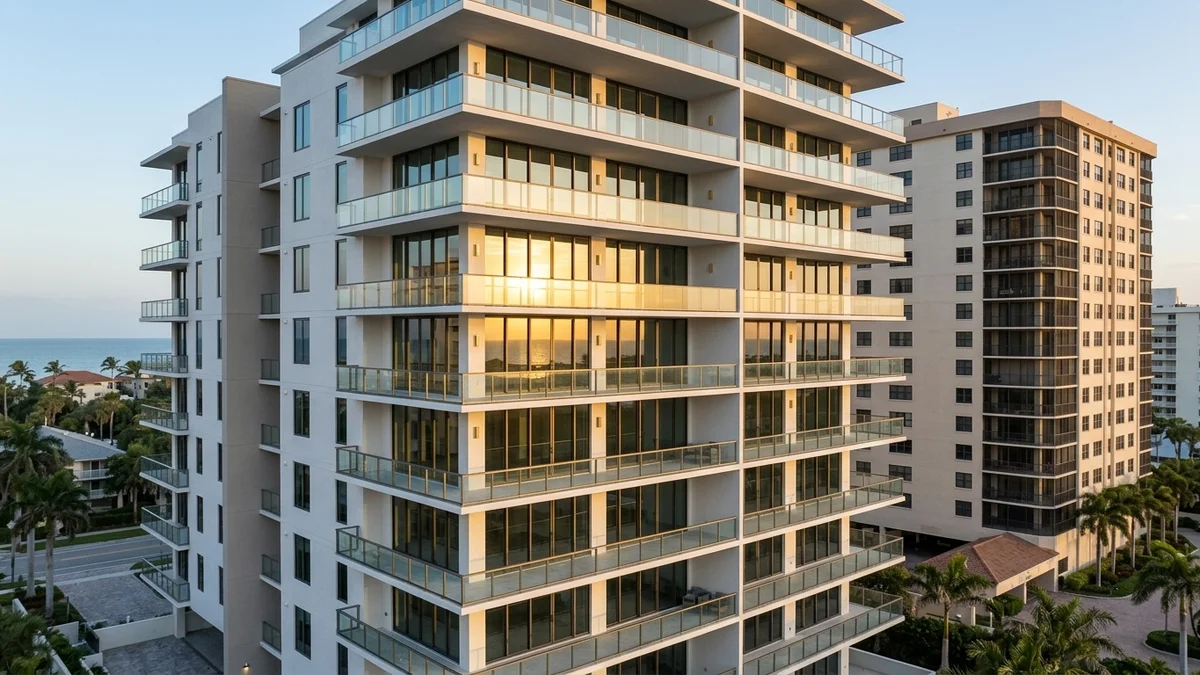
New construction and resale high-rises in Naples come with different tradeoffs, from timeline to what you can actually verify before closing. Here is how the two compare.
On this page
- What’s actually different between new construction and resale in this segment?
- What does buying new construction typically involve?
- What does buying resale typically involve?
- What factors should shape your decision?
- How do new construction and resale compare side by side?
- What about timeline and predictability?
- What should you weigh before deciding?
What’s actually different between new construction and resale in this segment?
In Naples, luxury high-rise buyers usually end up choosing between two very different paths: a new building still under construction or in early occupancy, and an established building with a resale history. Both can lead to a similar finished result, but the process of getting there looks quite different.
New construction gives you input into finishes and layout before the building is complete, along with the appeal of everything being untouched. Resale gives you a building with a track record and a unit you can walk through exactly as it is today.
Neither option is automatically better. The right choice depends on your timeline, your tolerance for uncertainty, and how much you value being able to verify a building’s history before you commit.
What does buying new construction typically involve?
Buying new construction usually starts earlier in the building’s life, sometimes before it is complete. That means decisions about finishes, layout, and sometimes view assignment happen based on plans and renderings rather than a finished unit.
The construction and completion schedule is set by the developer and can shift, so timeline flexibility matters more here than with a finished resale unit.
Because the building has no operating history yet, questions about reserves, association management, and how the building actually performs day to day cannot be answered the way they can for an established property.
What does buying resale typically involve?
A resale purchase in an established high-rise gives you something new construction cannot: an actual track record. You can review association financials, ask about past special assessments, and see how the building has been maintained over time.
You are also buying the unit as it exists today, with its own maintenance history, rather than a set of plans. That makes the inspection process more central to a resale purchase than to new construction.
The tradeoff is that a resale unit reflects its prior use and finishes, which may mean planning for updates or renovation after closing.
What factors should shape your decision?
A few factors tend to matter most when deciding between new construction and resale in this segment.
- How firm your timeline is, since new construction schedules can move
- How much certainty you want about a building’s financial health and maintenance history
- Whether you want to influence finishes and layout, or prefer to see exactly what you are buying
- How much renovation, if any, you are prepared to take on after closing
None of these factors point to a universal right answer. They point to what you should be asking about a specific building and a specific unit.
How do new construction and resale compare side by side?
The table below lays out how the two paths typically compare across the factors that matter most to buyers in this segment.
| Factor | New Construction | Resale |
|---|---|---|
| Timeline to closing | Tied to the construction and completion schedule, which can shift | Set by title work and any existing occupancy, generally more predictable |
| Building track record | No operating history yet to review | Established reserve funding, maintenance, and association history available for review |
| Customization | Finish and layout choices often available before completion | Unit exists as built, renovation happens after closing if desired |
| Inspection focus | Review of plans, disclosures, and builder reputation | Physical inspection of the unit and building systems as they exist today |
| Pricing structure | Developer pricing, often with a deposit and payment schedule | Negotiated market price based on the unit’s current condition |
No single row in this comparison should decide the purchase on its own. Together, they help frame the conversation about which path fits your priorities.
What about timeline and predictability?
Timeline is often the factor that ends up mattering most in practice. A resale unit can typically close on a schedule you control, while new construction depends on a completion schedule set by the developer.
If you need to be in a specific unit by a specific date, that alone may point you toward resale. If you have flexibility and want input into the finished product, new construction becomes more appealing.
What should you weigh before deciding?
Bringing the comparison together, the decision usually comes down to a handful of practical questions.
- How much certainty do you need about the building’s financial health before you commit
- How important is it to you to influence finishes and layout versus seeing a finished unit
- How flexible is your timeline
- How comfortable are you taking on renovation work after closing, if a resale unit needs it
Working through these questions with clear answers, rather than a general preference for new or established buildings, tends to lead to a better fit either way.
Community rules, HOA and club terms, fees, and availability described here can change and should be verified directly with the community, association, or club before you make a decision.

Written by