Luxury Highrises
What should I know before buying an oceanview condo in Naples?
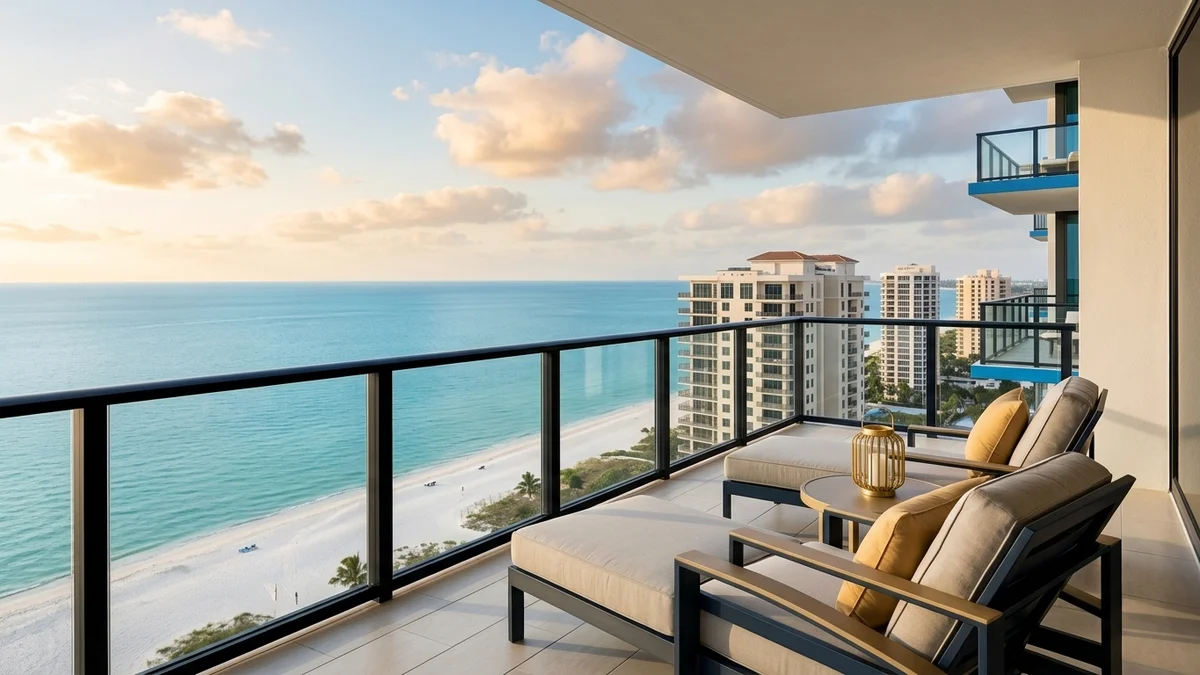
Oceanview high-rises in Naples come with their own set of questions, from what actually creates the view to what changes between a new building and a resale unit. Here is a practical starting point.
On this page
- What makes buying an oceanview condo in Naples different?
- What actually determines the view from a unit?
- What questions should you ask about floor level and orientation?
- What should you evaluate about the building itself?
- What about the unit’s own condition, especially on resale?
- What should you clarify before making an offer?
- What is a sensible way to start this kind of search?
What makes buying an oceanview condo in Naples different?
Buying an oceanview condo in Naples is not quite the same process as buying a single-family home or a golf-community property. The building itself, not just the unit, becomes part of what you are evaluating. Reserves, association rules, and how the property was constructed all shape the experience of owning the unit long after closing.
The buyers drawn to this segment tend to want a specific kind of property: a view, a low-maintenance lifestyle, and a building that is well run. That combination means the questions worth asking go beyond square footage and finishes.
This article walks through what actually determines a good oceanview unit, how new construction and resale differ, and what to look into before you get attached to a particular listing.
What actually determines the view from a unit?
It is easy to assume that any unit in an oceanfront building has a comparable view, but that is rarely true. A few structural factors do most of the work in determining what you will actually see from the living room and the balcony.
- Floor level, since higher floors typically clear nearby rooflines, trees, and other buildings
- Building orientation, which determines whether you are facing the water directly or at an angle
- Unit position within the floor plan, since a corner or end unit often has a wider sightline than a middle unit
- Anything between the building and the water, including other structures, dunes, or landscaping that can partially block a lower-floor view
What questions should you ask about floor level and orientation?
Once you understand that floor level and orientation drive the view, the next step is asking sharper questions about a specific unit rather than assuming the listing photos tell the whole story.
- Ask to see the view in person, at different times of day, rather than relying only on photos
- Ask how orientation affects afternoon sun and heat on the balcony, since a west-facing unit can feel very different from an east-facing one
- Ask whether a lower floor has any obstructions that will not be obvious from a listing photo taken at an angle
- Ask how the building’s design affects wind exposure and balcony usability on higher floors
- Ask whether the association allows you to visit the actual unit, not a similar one, before you make an offer
What should you evaluate about the building itself?
The view is only part of the decision. In a high-rise, the building is effectively a shared asset, and its condition and management affect your ownership experience as much as the unit does.
Ask about the age of the building, when major systems were last updated, and how the association funds its reserves. A well-maintained building with healthy reserves is a very different proposition from one that is deferring repairs.
It is also worth understanding what amenities exist, how they are maintained, and whether association rules around rentals, pets, or renovations match how you intend to use the property.
What about the unit’s own condition, especially on resale?
On a resale unit, the unit’s own history matters as much as the building’s. How it was used, whether it was a full-time residence or a seasonal property, and how recently anything was updated all affect what you are actually buying.
A straightforward inspection covers the basics, but in a coastal high-rise it is worth paying particular attention to anything exposed to salt air and humidity, since that affects finishes and systems differently than it would inland.
The view sells the unit. The building and its condition are what you actually live with.
What should you clarify before making an offer?
Before an offer goes in, it is worth having clear answers on a short list of items: current association financials, any planned or recent special assessments, insurance requirements for the building, and any rules that would affect how you plan to use the unit.
None of these require guesswork. Association documents, insurance disclosures, and building records exist for exactly this purpose, and a buyer is entitled to review them before committing.
What is a sensible way to start this kind of search?
Given how much the building and the unit’s specific position affect the outcome, it rarely makes sense to shop oceanview condos the way you would shop a broader home search.
A more useful starting point is narrowing by what actually matters to you: view type, floor range, whether you want new construction or an established building, and how you plan to use the unit.
From there, the process becomes much more specific, and much easier to evaluate one property at a time.
Community rules, HOA and club terms, fees, and availability described here can change and should be verified directly with the community, association, or club before you make a decision.

Written by